Hand-Knitted Luxury, Made to Order
Clothes that tell
Your story
Free consultation • Production 2–4 weeks • Worldwide shipping
What Sets Us Apart
Luxury in every stitch
Hand Knitting
Each piece is created entirely by hand on needles — we don't use knitting machines. One sweater represents 40–80 hours of hand work, focus, and experience.
Noble Yarns
We work exclusively with natural fibres of the highest quality — merino, cashmere, alpaca, silk, mohair. Materials sourced from renowned suppliers.
Made to Order
We don't produce for stock. Each creation is initiated by you — you choose the style, colour, size, and details, and we bring it to life from start to finish according to your wishes.
Timeless Design
Our designs blend classic elegance with contemporary simplicity. Garments that don't follow seasonal trends and remain in your wardrobe for years.
Meet the Artisan
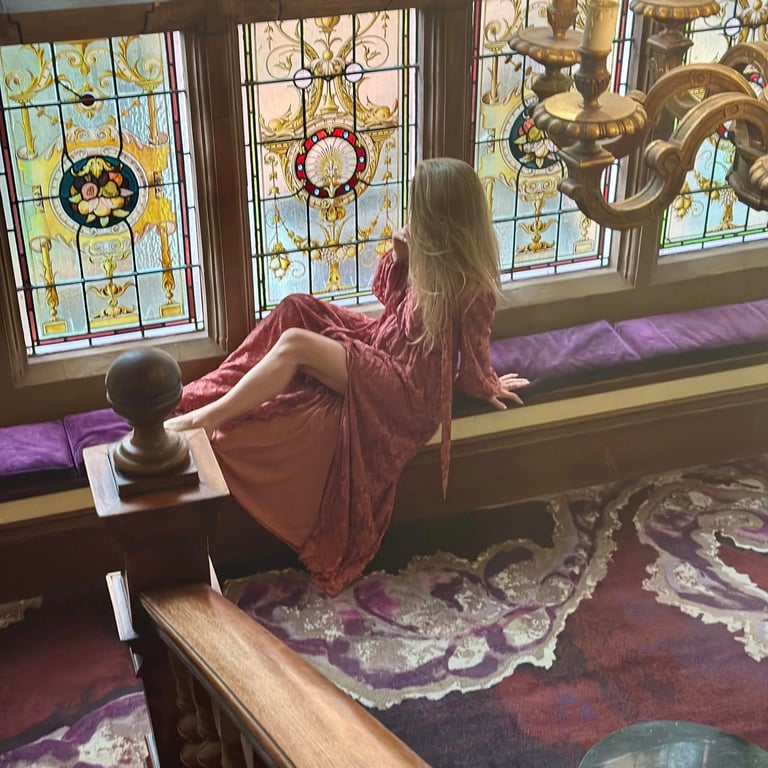
Each piece carries the soul of the maker
Creating has been part of my life since my earliest years. It all began when I was just under seven years old. Today, at 43, I look back with a smile at the path I've walked — a path full of passion, patience, and love for handcraft.
My greatest inspiration was my father. It was by watching him at work that I fell in love with the world of yarn, needles, and making. He taught himself to knit and, with remarkable precision, created beautiful sweaters and blouses. He was exceptionally gifted with his hands, just like my grandfather. In our family, handcraft and creating with one's own hands have been passed down from generation to generation for over a hundred years.
Since childhood I've been fascinated by art in every form — drawing, ceramics, small ornaments, and handwork. But my greatest dream was always designing and creating clothes. I started with tiny creations for dolls, eventually fulfilling my dream and creating unique garments for women.
In my work I consciously choose only natural yarns. I'm captivated by their quality, softness, and timeless beauty. I believe natural materials carry something extraordinary — not only do they look beautiful and feel wonderful to wear, but they also hold the energy, heart, and dedication of the person who creates them.
Each design comes from my imagination and my own ideas. I don't blindly follow trends — I value authenticity, simplicity, and timeless elegance. I want my clothes not only to be beautiful but also to give a sense of uniqueness and comfort to the people who wear them.
My greatest joy, however, comes from my clients. I am deeply grateful for their trust, for the fact that they come back and appreciate the quality of handmade work. Many of these relationships go beyond the process of creating an order — we get to know each other through a project, and then stay in touch, exchange experiences, and together celebrate the beauty of things created with passion.
For me, knitting, crocheting, and handcraft are more than a profession. It's a journey, a form of meditation, and a way of expressing myself. It's a love for creating that has accompanied me since childhood and that I joyfully transform every day into unique projects born from the heart — for women who value quality, naturalness, and true craftsmanship.
Our Collections
Three expressions of beauty
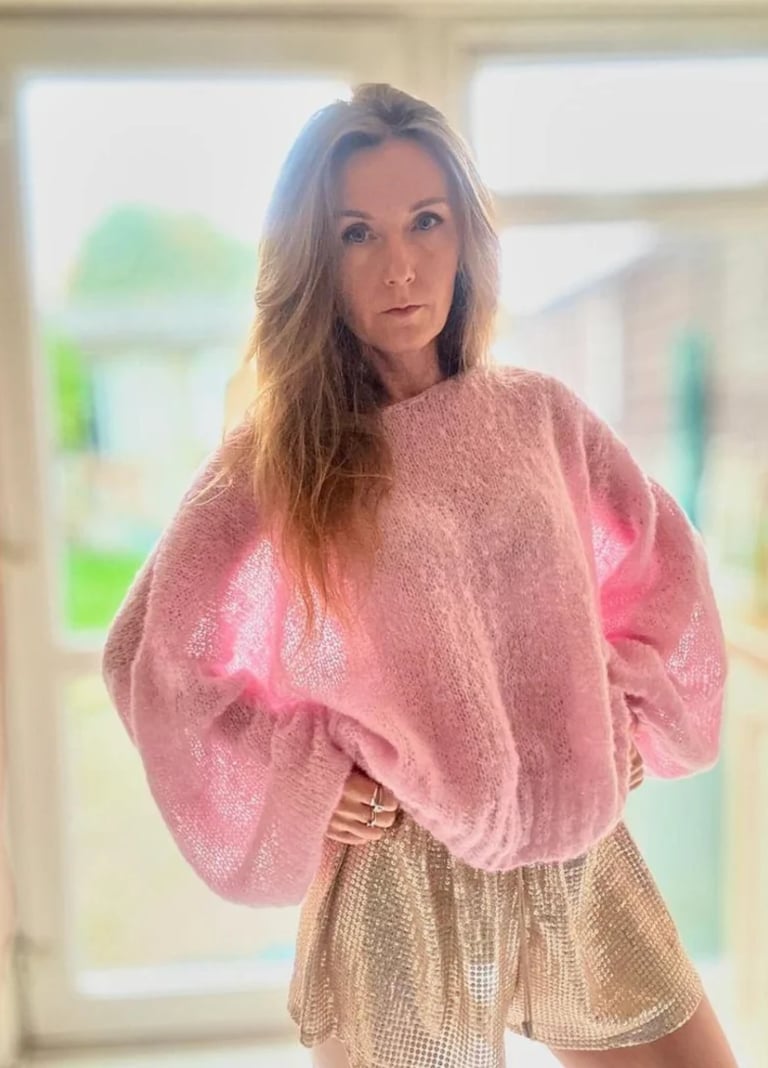
Sweaters
Od lekkich kardiganów po grube warkoczowe sploty — ręcznie robiony kardigan wełniany i każdy sweter projektowany na Twoje wymiary.
View collection →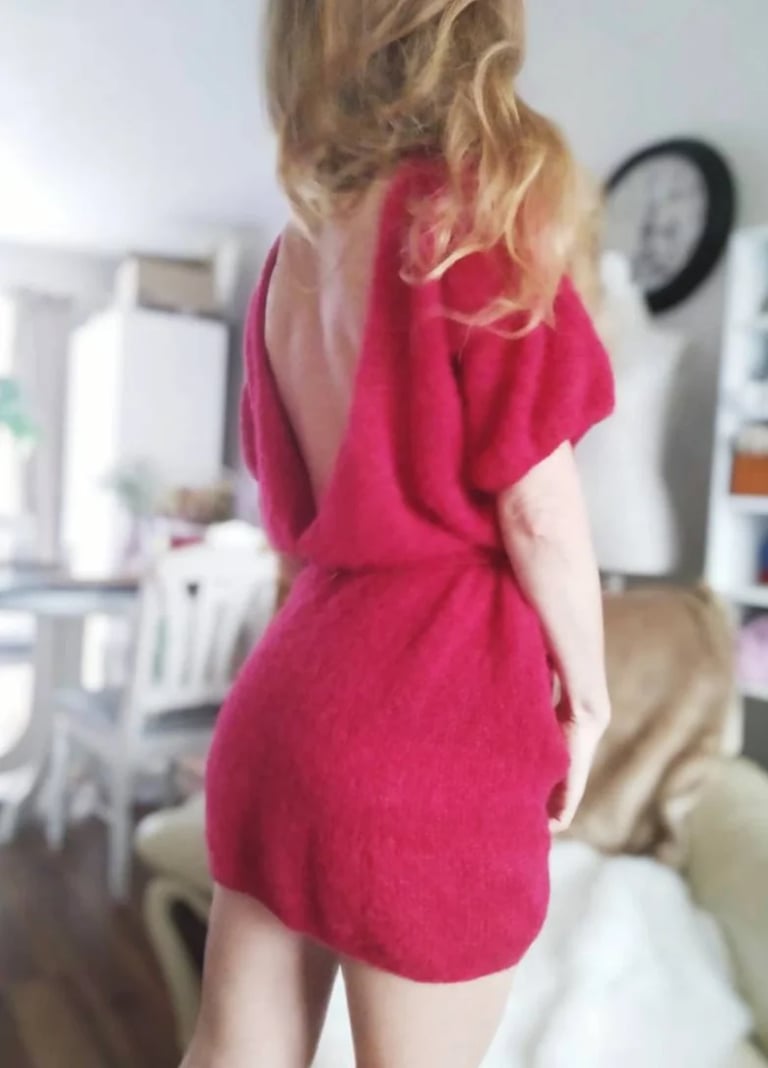
Dresses
Dzianinowe sukienki o klasycznych liniach — od codziennych po wieczorowe, zawsze idealnie dopasowane. Delikatne dzianiny z jedwabiem i kaszmirem.
View collection →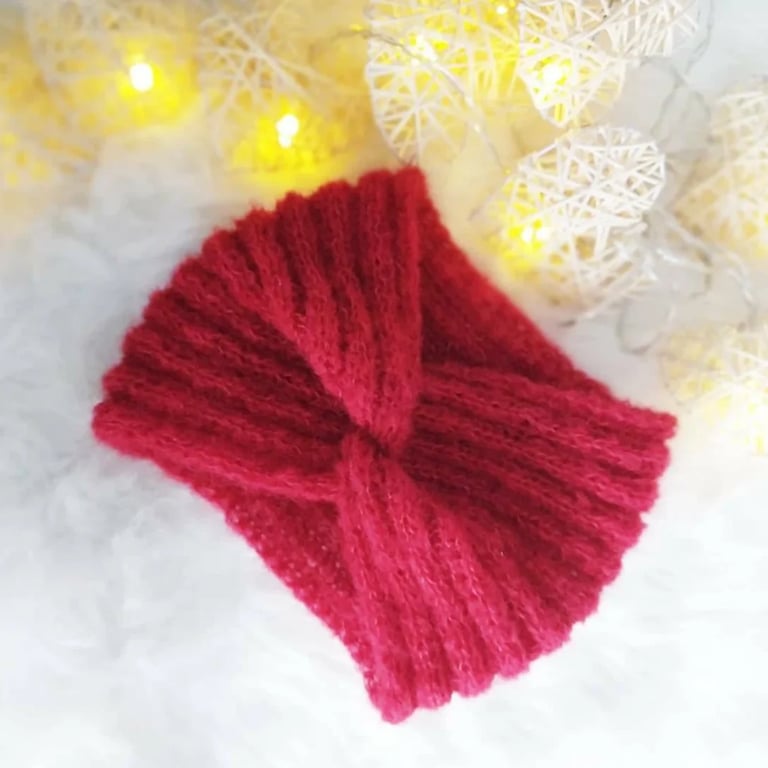
Headbands & Accessories
Headbands, scarves, and accessories — small works of art that complete any outfit.
View collection →
Tops
Light and airy hand-knitted tops — from soft crop tops to romantic pullovers, perfect for layering.
View collection →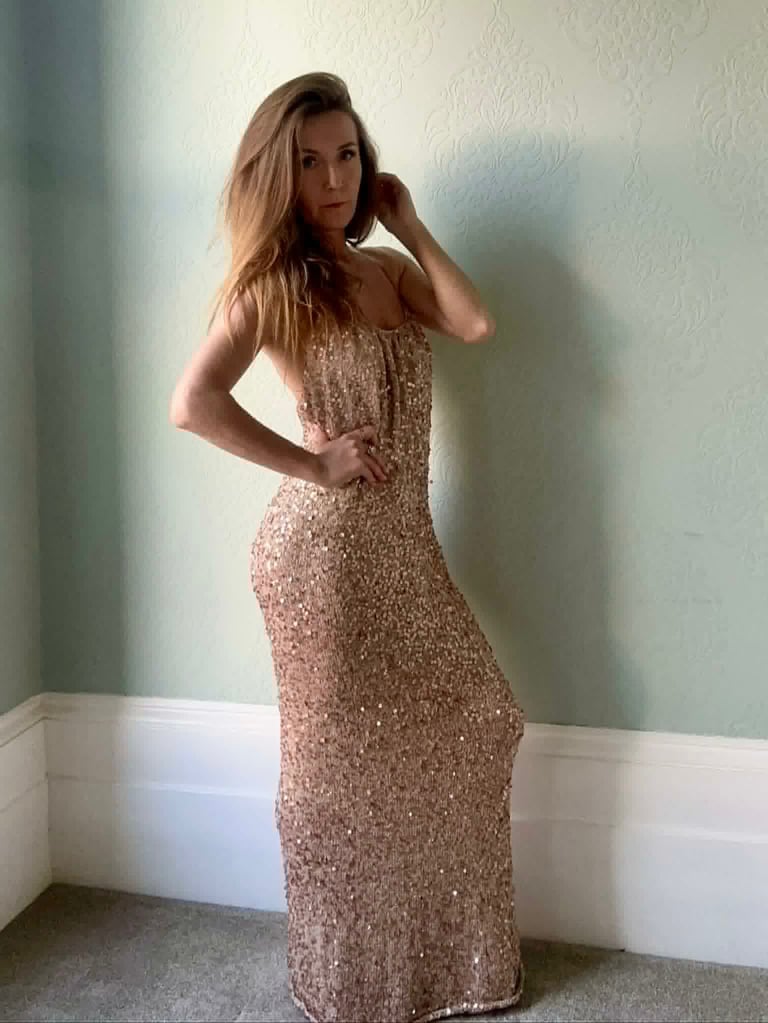
Knitting Patterns
Signature knitted pieces — intricate stitch patterns brought to life in elegant, show-stopping designs.
View collection →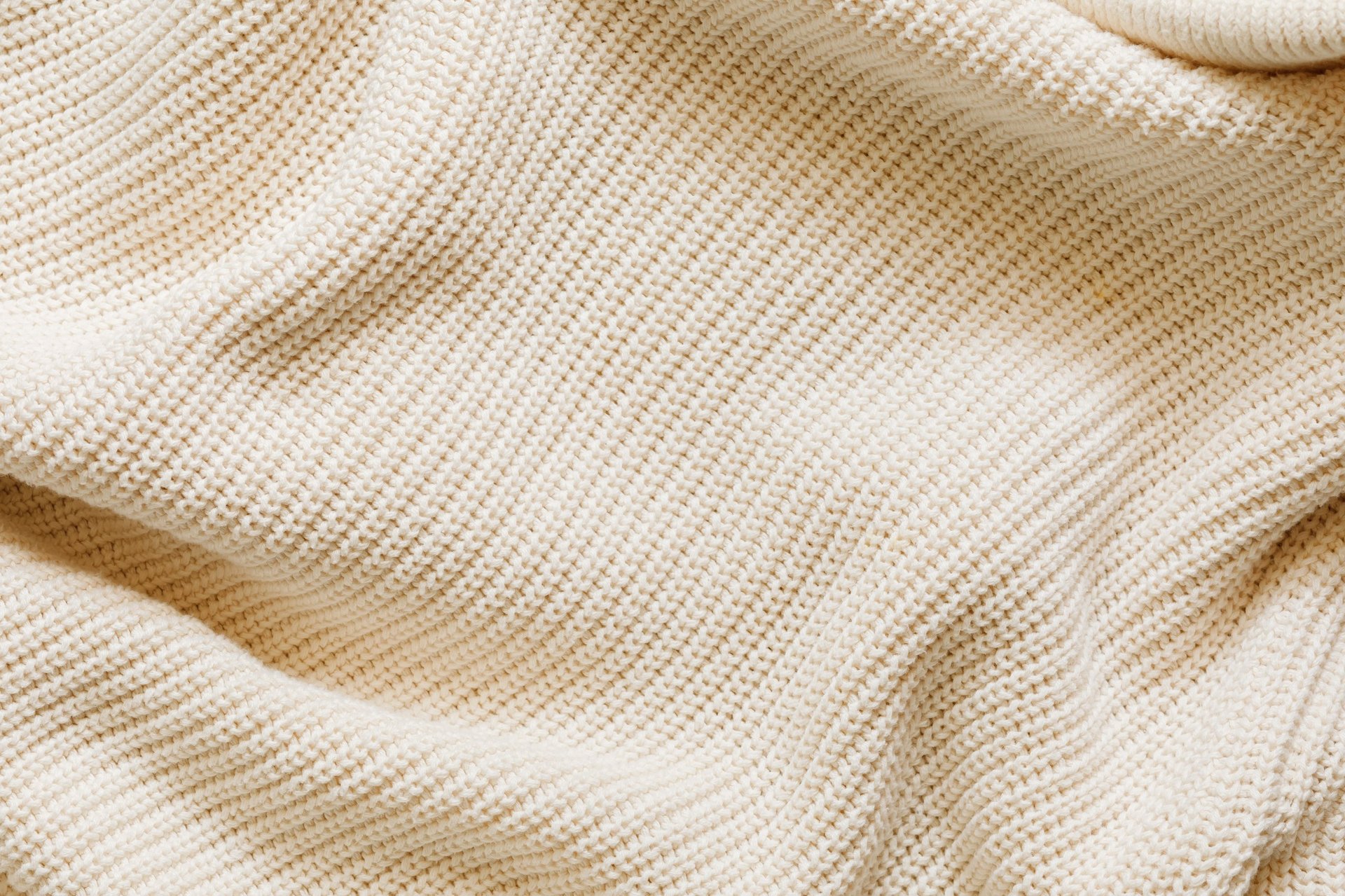
The Touch of Luxury
Feel the difference of natural fibres
Merino 19.5
Ultrafine — velvety softness
Cashmere Grade A
Weightless elegance and warmth
Mulberry Silk
Natural lustre and smoothness
Care & Craft
Yarn Properties & Care Guide
Understanding the fibres behind your piece — from silk's natural sheen to cashmere's cloud-soft warmth. Each yarn has its own personality, and caring for it properly ensures your hand-knitted garment stays beautiful for years.
Silk Properties for Skin
Silk is one of the most luxurious natural fibres — smooth, breathable, and exceptionally pleasant to the touch.
- Incredibly soft and gentle against the skin — delivers luxurious wearing comfort.
- Naturally breathable, helping to maintain optimal body temperature in both summer and winter.
- Wicks moisture effectively, keeping skin dry and fresh.
- Its smooth structure minimises friction and is suitable even for sensitive skin.
- Hypoallergenic — rarely causes irritation and is prized by those prone to allergies.
- Lightweight yet durable, providing comfort without weighing the body down.
Washing Instructions
- Hand wash only, or use a delicate cycle at up to 30°C.
- Use a mild detergent designed for silk or wool.
- Do not bleach or use harsh chemicals.
- Do not wring — gently press out excess water in a towel.
- Dry flat, away from direct sunlight and heat sources.
- If needed, iron on the lowest setting, ideally through a thin cloth or on the reverse side.
Merino Wool Properties for Skin
- Exceptionally soft and gentle — does not cause the scratchy feeling common with many traditional wools.
- Naturally regulates body temperature, ensuring comfort on both cool and warm days.
- Wicks moisture beautifully and lets the skin breathe.
- Possesses natural antibacterial properties and helps reduce the build-up of unpleasant odours.
- Elastic, lightweight, and pleasant to wear even directly against bare skin.
- Thanks to its lanolin content it can offer a feeling of softness and comfort for those with sensitive skin.
Types of Merino Wool
- Ultrafine Merino (below 17.5 microns) — incredibly soft, luxurious, often used for garments worn directly against the skin.
- Superfine Merino (approx. 17.5–18.5 microns) — very delicate, ideal for high-quality sweaters and accessories.
- Fine Merino (approx. 18.5–20 microns) — soft and versatile, popular in premium fashion.
- Medium Merino (approx. 20–22.5 microns) — more durable, used in everyday and sports clothing.
- Strong Merino (above 22.5 microns) — coarser and tougher, used for blankets, rugs, and utility textiles.
Washing Instructions
- Hand wash or use a wool cycle at up to 30°C.
- Use a detergent designed for wool.
- Do not bleach or use enzyme-based detergents.
- Do not wring — gently press water out.
- Dry flat, reshaping the garment to its original form.
- Avoid tumble dryers and direct sunlight.
- Store folded flat to prevent the knit from stretching.
Alpaca – Properties, Types & Care
Alpaca is one of the world's most treasured natural fibres. Sourced from the fleece of alpacas living mainly in South America, it is renowned for its exceptional softness, durability, and outstanding thermal properties.
Properties of Alpaca Yarn
- Incredibly soft and pleasant to the touch, often compared to cashmere.
- Excellent heat retention, yet lightweight and breathable.
- Naturally regulates body temperature — insulates in winter without causing overheating.
- Contains very little lanolin, making it better tolerated by those with sensitive skin.
- Strong and resistant to pilling with proper care.
- Fibres have a natural sheen and drape beautifully in finished garments.
- Wicks moisture well and does not absorb odours as readily as many other materials.
- Elastic, though it may stretch gently under its own weight, especially in loose weaves.
Types of Alpaca
Baby Alpaca — the most prized variety. The name does not mean it comes from young animals; it refers to the exceptionally fine and delicate fibres. Incredibly soft and perfect for sweaters, shawls, and luxury accessories.
Superfine Alpaca — very delicate, lightweight, and gentle on the skin. An excellent choice for elegant clothing worn directly against the body.
Fine Alpaca — slightly thicker than Baby Alpaca, but still soft and comfortable. Combines comfort with greater durability.
Huacaya Alpaca — the most common fleece type. Characterised by a fluffy structure, resilience, and good thermal insulation.
Suri Alpaca — a rarer variety with long, silky, lustrous fibres that hang freely. Garments made from it have an elegant, luxurious appearance.
How to Care for Alpaca Garments
- Wash only when truly needed — airing out in fresh air is often sufficient.
- For washing, use lukewarm water at around 20–30°C and a gentle detergent designed for wool or silk.
- Do not rub or wring the fabric. Gently knead it in the water.
- After rinsing, remove excess water by lightly pressing the garment in a towel.
- Dry flat, reshaping to its original form. Do not hang wet sweaters as they may stretch.
- Avoid tumble dryers and direct sunlight.
- Store folded on a shelf, not on a hanger.
- During the season, protect garments from moths by storing in sealed covers or with natural repellents such as lavender or cedar wood.
Washing Instructions
✔ Recommended:
- Hand wash in lukewarm water (20–30°C).
- Gentle wool detergent.
- Short soak — a few minutes at most.
- Dry flat.
✘ Avoid:
- Hot water.
- High-speed spinning.
- Bleach and strong detergents.
- Tumble drying.
- Ironing at high temperature.
With proper care, alpaca garments can retain their softness, fluffiness, and elegant appearance for many years, becoming some of the most enduring pieces in a wardrobe made from natural fibres.
Cashmere – Properties, Types & Care
For centuries, cashmere has been regarded as one of the most luxurious natural fibres. It is harvested from the delicate undercoat of cashmere goats living in harsh, mountainous climates. It is prized for its extraordinary softness, lightness, and ability to retain warmth.
Properties of Cashmere Yarn
- Exceptionally soft and gentle on the skin.
- Provides excellent thermal insulation at minimal weight.
- Breathable and helps maintain a comfortable body temperature.
- Wicks moisture well, so it remains pleasant to wear.
- Has a subtle, elegant look and characteristic fluffiness.
- Resilient and wrinkle-resistant.
- Grows even softer over time with proper care.
- Requires careful handling, as the delicate fibres may pill, especially during the first wears.
Types of Cashmere
Pure Cashmere (100% cashmere) — The highest-quality yarn made exclusively from cashmere fibres.
Baby Cashmere — The rarest and most exclusive variety, harvested from the first combing of young cashmere goats.
Recycled Cashmere — Cashmere derived from recycling, created from recovered fibres.
Cashmere Blends — Combinations of cashmere with merino, silk, or cotton are very popular.
How to Care for Cashmere Garments
- Do not wash after every wear — often airing out for a few hours is enough.
- Hand wash or use a wool cycle if the manufacturer permits machine washing.
- Use cool or lukewarm water (around 20–30°C) and a gentle detergent designed for wool.
- Do not rub or wring the fabric, to avoid damaging the fibres.
- Remove excess water by gently rolling the garment in a towel.
- Dry flat only, away from radiators and direct sunlight.
- Store folded in a wardrobe rather than on a hanger, to prevent stretching.
- If small pills appear, remove them with a special comb or fabric shaver.
Washing Instructions
✔ Recommended:
- Hand wash at 20–30°C.
- Gentle wool or cashmere detergent.
- Short soak with gentle kneading.
- Dry flat after reshaping the garment.
✘ Avoid:
- Hot water and rapid temperature changes.
- Aggressive wringing and twisting of the fabric.
- Bleach and harsh detergents.
- Tumble dryers.
- Storing on hangers for extended periods.
With proper care, cashmere garments can retain their softness, elegant look, and wearing comfort for many years, becoming a timeless wardrobe staple.
Virgin Wool – Properties, Types & Care
Virgin Wool is one of the most highly prized natural fibres, obtained during the first shearing of sheep. Unlike recycled wool, virgin wool fibres have never been previously processed, allowing them to retain their natural structure, resilience, and exceptional properties.
Properties of Virgin Wool
- Natural resilience — fibres hold their shape and recover well to their original form.
- Excellent thermal insulation — effectively retains heat, protecting against the cold.
- Breathable — allows air circulation, preventing overheating.
- Resistant to soiling and creasing thanks to the natural fibre structure.
- Durable — with proper care, retains its qualities for many years.
- Naturally hydrophobic — repels light moisture, making it a practical choice for outerwear.
- May feel slightly coarse for those with very sensitive skin.
Types of Virgin Wool
Virgin Wool — the general term for wool obtained from the first shearing of a healthy, living sheep. The fibres have not been previously processed or recycled.
Lambswool — wool obtained from the first shearing of a lamb at around 6–7 months of age. Exceptionally soft, delicate, and resilient.
Shetland Wool — traditional wool from Shetland sheep. Lightweight, warm, and with a characteristic hand feel, often used in classic sweaters.
Virgin Wool Blends — combinations of virgin wool with other fibres such as silk, cashmere, or cotton, enriching its properties.
How to Care for Virgin Wool Garments
- Do not wash too often — wool has natural self-cleaning properties. Often airing the garment outdoors is sufficient.
- Hand wash in lukewarm water (around 20°C) or use a wool cycle if the care label permits.
- Use only gentle detergents designed for wool, ideally with added lanolin.
- Do not rub or wring the fabric — gently knead it in the water.
- Drying: after washing, remove excess water by rolling the garment in a towel, then dry flat, reshaping to the correct form.
- Avoid tumble dryers, radiators, and direct sunlight.
- Store folded flat, not on hangers. Protect from moths using natural repellents such as lavender or cedar.
Washing Instructions
✔ Recommended:
- Hand wash in lukewarm water (around 20°C).
- Gentle wool detergent, ideally with lanolin.
- Short soak without rubbing.
- Dry flat after reshaping the garment.
✘ Avoid:
- Hot water — causes shrinkage and felting.
- Aggressive wringing and twisting of the fabric.
- Bleach, fabric softeners, and harsh detergents.
- Tumble dryers and drying on radiators.
- Ironing at high temperature.
Properly cared-for virgin wool retains its resilience, warmth, and elegant appearance for years. It is a fibre that gratefully repays your care — the better you look after it, the longer it stays beautiful.
Sheep Wool – Properties, Types & Care
Sheep wool is one of the oldest and most versatile natural fibres, used by humans for thousands of years. It is valued for its insulating properties, breathability, and durability. Depending on the breed, it can be delicate and soft, or coarser and more hard-wearing.
Properties of Sheep Wool
- Naturally warm — insulates against the cold by retaining body heat.
- Breathable and moisture-wicking, ensuring comfort even during physical activity.
- Resilient and elastic — garments hold their shape well and resist deformation.
- Resistant to soiling and creasing — practical for everyday wear.
- Naturally flame-resistant — difficult to ignite and does not sustain a flame.
- May feel coarse or scratchy, especially with thicker fibres.
- Improper washing can lead to shrinkage and felting.
Types of Sheep Wool
Lambswool — the finest sheep wool, obtained from a lamb's first shearing. Soft, resilient, and pleasant to the touch.
Shetland Wool — wool from Shetland sheep. Lightweight, warm, with a characteristic texture and traditional look.
Bluefaced Leicester (BFL) — very soft, with a subtle sheen. One of the finest sheep wools, prized by hand knitters.
Corriedale — a wool with balanced properties: soft yet durable, easy to work with and care for.
Sheep Wool Blends — sheep wool is often blended with acrylic to reduce cost, with nylon for added strength, or with silk and cashmere for a more luxurious character.
How to Care for Sheep Wool Garments
- Do not wash too often — wool has natural self-cleaning properties.
- Hand wash in lukewarm water (around 20°C) or use a wool cycle if the care label permits.
- Use only gentle detergents designed for wool.
- Do not rub or wring — gently knead the fabric in water.
- After washing, remove excess water by rolling the garment in a towel, then dry flat.
- Avoid tumble dryers, radiators, and direct sunlight.
- Store folded flat. Protect from moths with natural repellents.
Washing Instructions
✔ Recommended:
- Hand wash in lukewarm water (around 20°C).
- Gentle wool detergent.
- Short soak without rubbing.
- Dry flat.
✘ Avoid:
- Hot water — causes shrinkage and felting.
- Aggressive wringing and twisting of the fabric.
- Bleach, fabric softeners, and harsh detergents.
- Tumble dryers.
- Ironing at high temperature.
Properly cared-for sheep wool repays you with durability and reliability for many seasons. It is a fibre that — though it requires a little attention — gives in return unmatched warmth and wearing comfort.
Baby Merino – Properties & Care
Baby Merino refers to the highest-quality merino wool, characterised by exceptionally fine fibres (typically below 18.5 microns). Despite the name, it does not come from young sheep — the term "Baby" refers to the fineness and softness of the fibres, which are significantly thinner than those in standard merino wool.
Properties of Baby Merino
- Incredibly soft and gentle to the touch — does not cause itching, even on sensitive skin.
- Breathable and naturally regulates body temperature.
- Effectively wicks moisture, keeping skin dry.
- Hypoallergenic and safe for allergy sufferers.
- Lightweight, yet provides excellent thermal insulation.
- Resilient and elastic — holds its shape well.
How to Care for Baby Merino Garments
- Wash at low temperature (20–30°C) — by hand or on a wool cycle.
- Use gentle detergents designed for wool.
- Do not wring — gently press excess water out in a towel.
- Dry flat, reshaping the garment to its original form.
- Avoid tumble dryers — high heat can damage the delicate fibres.
- Store folded flat, not on hangers.
Washing Instructions
✔ Recommended:
- Hand wash at 20–30°C.
- Gentle wool detergent.
- Short soak with gentle kneading.
- Dry flat.
✘ Avoid:
- Hot water and rapid temperature changes.
- Aggressive wringing and twisting of the fabric.
- Bleach and harsh detergents.
- Tumble dryers.
- Ironing at high temperature.
Baby Merino is the ideal choice for luxurious clothing worn directly against the skin — including baby and children's wear. With proper care, Baby Merino garments retain their delicacy and beautiful appearance for a long time.
Organic Cotton – Properties & Care
Organic cotton is an eco-friendly alternative to conventional cotton, grown without synthetic pesticides, herbicides, or artificial fertilisers. As a result, it is not only kind to the environment but also exceptionally safe and gentle on the skin.
Properties of Organic Cotton
- Hypoallergenic and safe even for the most sensitive skin.
- Exceptionally breathable — ensures comfort even on hot days.
- Less coarse and softer to the touch than regular cotton.
- Free from chemical residues — ideal for those with allergies.
- Absorbs moisture well and dries quickly.
- Does not accumulate static electricity.
How to Care for Organic Cotton Garments
- Wash at 30–40°C — safe to machine wash, preferably on a gentle cycle.
- Use mild, eco-friendly detergents without bleach.
- Dry in a well-ventilated spot — ideally flat to avoid distortion.
- Can be tumble dried on low, but air drying is gentler on the fibre structure.
- Iron at a medium temperature, ideally while the garment is still slightly damp.
Washing Instructions
✔ Recommended:
- Wash at 30–40°C.
- Gentle, eco-friendly detergents.
- Dry flat or on a line.
- Iron at medium temperature.
✘ Avoid:
- Chlorine bleach and harsh chemicals.
- Washing at very high temperatures (above 60°C).
- Drying in direct sunlight for extended periods.
- Aggressive wringing and twisting of the fabric.
Choosing organic cotton not only cares for your skin's comfort but also supports sustainable farming practices that protect soil, water, and biodiversity. With proper care, organic cotton garments serve you well for a long time and age gracefully.
Bamboo – Properties & Care
Bamboo fibre is a relatively new but rapidly growing natural material. It is made from cellulose extracted from bamboo shoots, and the finished fibres are characterised by exceptional softness, lustre, and antibacterial properties. It is kind to both skin and the environment.
Properties of Bamboo Fibre
- Incredibly soft and smooth — often compared to silk or cashmere.
- Naturally antibacterial and antifungal — inhibits the growth of bacteria.
- Exceptionally breathable and wicks moisture well.
- Hypoallergenic — suitable even for sensitive and atopic skin.
- Has a natural, subtle sheen and takes dyes well.
- Lightweight and airy — ideal for warm days.
How to Care for Bamboo Garments
- Wash at up to 30°C — ideally on a gentle cycle.
- Use mild detergents without bleach.
- Do not spin at high speeds — bamboo is more delicate when wet.
- Dry flat or on a line, avoiding direct sunlight.
- Do not tumble dry — high heat weakens the fibres.
- Iron at a low temperature, ideally through a damp cloth.
Washing Instructions
✔ Recommended:
- Wash at up to 30°C.
- Gentle, eco-friendly detergents.
- Dry flat or on a line.
- Iron at low temperature.
✘ Avoid:
- High wash and drying temperatures.
- Bleach and strong detergents.
- Tumble dryers.
- Aggressive wringing of wet fabric.
Bamboo is a fibre that combines comfort with environmental responsibility. With proper care, bamboo garments delight with their softness and freshness for a long time.
Camel Hair – Properties & Care
Camel hair is one of the most luxurious and rare natural fibres, harvested from the delicate undercoat of Bactrian (two-humped) camels. It is prized for its incredible softness, lightness, and outstanding insulating properties. It features a natural, warm palette ranging from light beige to deep, golden brown.
Properties of Camel Hair
- Incredibly soft to the touch — comparable in comfort to cashmere.
- Excellent thermal insulation — provides warmth in winter and coolness in summer.
- Very lightweight — fibres are hollow, making them exceptionally airy.
- Hypoallergenic and naturally resistant to bacterial growth.
- Naturally resilient and crease-resistant.
- Characteristic warm hue — needs no dyeing to achieve its beautiful colour.
- Wicks moisture well and does not pill as easily as cashmere.
How to Care for Camel Hair Garments
- First and foremost: do not wash too often — camel hair does not absorb odours the way other materials do.
- Hand wash in cool water (around 20°C) or use a wool cycle.
- Use gentle detergents designed for wool and cashmere.
- Do not rub or wring — gently knead the fabric in water.
- After washing, remove excess water by rolling in a towel and dry flat.
- Avoid tumble dryers, radiators, and direct sunlight.
- Store folded flat, protecting from moths with natural repellents.
Washing Instructions
✔ Recommended:
- Hand wash in cool water (around 20°C).
- Gentle wool or cashmere detergent.
- Short soak without rubbing.
- Dry flat.
✘ Avoid:
- Hot water — causes shrinkage and felting.
- Aggressive wringing and twisting of the fabric.
- Bleach and harsh detergents.
- Tumble dryers.
- Ironing at high temperature.
Camel hair is true luxury for those who appreciate subtlety, natural beauty, and exceptional wearing comfort. With proper care, camel hair garments develop even greater softness and refinement over time.
Icelandic Wool – Properties & Care
Icelandic wool comes from Icelandic Sheep — one of the oldest and genetically purest sheep breeds in the world. It is a dual-coated wool, consisting of two layers: a soft, warm undercoat (þel) and longer, coarser, water-repellent outer fibres (tog).
Properties of Icelandic Wool
- Outstanding thermal insulation — protects even in extreme weather conditions.
- Naturally water-repellent — outer fibres repel water and moisture.
- Breathable — the undercoat retains heat while the outer layer wicks moisture away.
- Very durable and hard-wearing — ideal for outerwear.
- Lightweight despite its thickness — excellent for sweaters and jackets.
- Natural colouring — occurs in shades of white, grey, brown, and black.
- May feel coarse — not recommended for wearing directly against bare skin.
How to Care for Icelandic Wool Garments
- Do not wash too often — Icelandic wool is naturally resistant to dirt and odours.
- Hand wash in cool water (around 20°C) — do not use warm water.
- Use a gentle detergent designed for wool.
- Do not rub or wring — gently knead.
- After washing, remove excess water by rolling in a towel. Dry flat.
- Avoid tumble dryers and direct heat.
- Store folded flat. Protect from moths.
Washing Instructions
✔ Recommended:
- Hand wash in cool water (around 20°C).
- Gentle wool detergent.
- Short soak without rubbing.
- Dry flat.
✘ Avoid:
- Hot water — causes felting and shrinkage.
- Aggressive wringing and twisting of the fabric.
- Bleach and harsh detergents.
- Tumble dryers.
- Ironing at high temperature.
Icelandic wool draws its character from the harsh climate in which Icelandic sheep live — it is practical, durable, and ready to face even the most capricious weather. It requires a little care, but repays with years of reliable service.
Mohair – Properties & Care
Mohair is one of the most beautiful natural fibres, harvested from the fleece of Angora goats. It is known for its characteristic fluffiness, lustre, and lightness — often called the "diamond among fibres."
Properties of Mohair
- Natural lustre and silky appearance — fibres beautifully reflect light.
- Incredibly lightweight and fluffy — provides warmth without weight.
- Excellent heat insulation while remaining breathable.
- Resilient and crease-resistant — does not wrinkle easily.
- Takes dyes readily, so it is available in a rich palette of colours.
- May feel itchy directly on the skin — layering over a base garment is recommended.
Types of Mohair
Kid Mohair — the finest and most exclusive variety, obtained from the first shearing of young kid goats. The fibres are incredibly fine and soft.
Young Goat Mohair — obtained from the second shearing, when the kid is about a year old. Very soft, with slightly thicker fibres than Kid Mohair.
Adult Mohair — obtained from adult Angora goats. Has coarser, more durable fibres, ideal for hard-wearing outerwear.
How to Care for Mohair Garments
- Do not wash after every wear — mohair is naturally resistant to dirt and odours.
- Hand wash in cool water (around 20°C) or use a wool cycle.
- Use gentle detergents designed for wool and mohair.
- Do not rub or wring — gently knead in water.
- Dry flat, away from direct heat sources. Avoid tumble dryers.
- To revive fluffiness, gently brush the garment with a soft brush once completely dry.
- Store folded flat, protecting from moths.
Washing Instructions
✔ Recommended:
- Hand wash in cool water (around 20°C).
- Gentle wool or mohair detergent.
- Short soak with gentle kneading.
- Dry flat.
✘ Avoid:
- Hot water — causes shrinkage and felting.
- Aggressive wringing and twisting of the fabric.
- Bleach and harsh detergents.
- Tumble dryers.
- Ironing — high heat destroys fibres.
Properly cared-for mohair delights with extraordinary fluffiness, lightness, and lustre for many years. It is a fibre that adds a touch of luxury to every outfit.
Angora – Properties & Care
Angora is one of the fluffiest and most delicate natural fibres, harvested from the coats of Angora rabbits. The fibres are incredibly fine, hollow, and silky-soft to the touch. Angora is renowned for its exceptional lightness and outstanding thermal insulation — it is even warmer than sheep wool.
Properties of Angora
- Incredibly soft and delicate to the touch — the finest of all natural fibres.
- Excellent heat insulation — fibres are hollow, retaining warmth superbly.
- Very lightweight and fluffy — adds volume without weighing the garment down.
- Hypoallergenic — contains no lanolin and is well tolerated by sensitive skin.
- Takes dyes well, yielding intense, saturated colours.
- May pill slightly — a natural trait resulting from the delicacy of the fibres.
How to Care for Angora Garments
- Do not wash too often — angora is delicate and does not require frequent washing.
- Hand wash in cool water (around 20°C) or use a delicate/gentle cycle.
- Use only gentle detergents designed for wool and silk.
- Do not rub or wring — gently knead the fabric in water.
- After washing, remove excess water by rolling in a towel — do not wring.
- Dry flat only, away from direct heat and sunlight.
- Store folded flat, in sealed covers, protecting from moths.
- You can refresh the garment by airing it in the bathroom during a shower — the steam restores fluffiness.
Washing Instructions
✔ Recommended:
- Hand wash in cool water (around 20°C).
- Gentle wool or silk detergent.
- Short soak with gentle kneading.
- Dry flat.
✘ Avoid:
- Hot water — destroys delicate fibres.
- Aggressive wringing and twisting of the fabric.
- Bleach and harsh detergents.
- Tumble dryers — angora shrinks and loses fluffiness.
- Ironing — high heat melts the fibres.
Angora is a fibre that rewards care — properly looked after, it retains its extraordinary fluffiness, softness, and wearing comfort. It is true luxury for those who cherish the most delicate natural materials.
Discover Our Craft
Slow fashion — swetry, sukienki i dodatki z duszą
Ręcznie robiona czapka z moheru, cashmere minimalistic sweater, oversizowy sweter boho — wszystko to znajdziesz w naszym atelier. Tworzymy ubrania z wełny organiczne i włóczek z certyfikatem OEKO-TEX, w duchu sustainable fashion i slow fashion.
Ręcznie Robiony Kardigan Wełniany
Oversizowe swetry boho i kardigany z naturalnej wełny — dziergane na drutach, szyte na miarę Twoich marzeń. Każdy egzemplarz to małe dzieło sztuki.
Sweter z Peruwiańskiej Alpaki
Swetry z czystej alpaki — niezwykle miękkie, lekkie i ciepłe. Alpaka peruwiańska to synonim luksusu i komfortu w jednym.
Handmade Luxurious Knitwear
Ubrania z wełny merino premium i kaszmiru — ręcznie robione na zamówienie. Minimalistyczny design, który nigdy nie wychodzi z mody.
Polskie Rękodzieło Odzieżowe
Slow fashion swetry na zamówienie — tworzone w Polsce z pasją i doświadczeniem. Wspieramy modę odpowiedzialną i zrównoważoną.
Sustainable Fashion
Ubrania handmade zero waste — każdy egzemplarz powstaje wyłącznie na zamówienie. Nie produkujemy na stan magazynowy, szanując zasoby i środowisko.
Delikatne Dzianiny z Jedwabiem
Silk long dress i kaszmirowe swetry — połączenie jedwabiu, kaszmiru i bawełny organicznej. Ponadczasowe swetry minimalistyczne o wyjątkowej fakturze.
Włóczka z Certyfikatem OEKO-TEX
Używamy wyłącznie certyfikowanych włóczek — wełna organiczna, moher, baby alpaka i kaszmir Grade A. Bezpieczne dla skóry i środowiska.
Moda Odpowiedzialna
Sweter w stylu rustykalnym czy dziergany bezrękawnik z wełny merynosa — każde ubranie powstaje z poszanowaniem tradycji rękodzielniczych i etyki pracy.
Get in Touch
Let's start the conversation about your piece
Every order begins with a conversation — about your style, silhouette, occasion, and dreams. Fill out the form and we'll reply within 24 hours to arrange a free consultation.